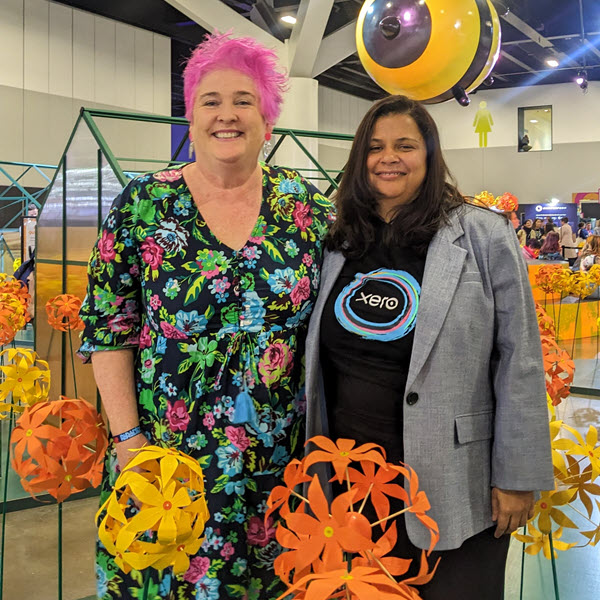
There’s a lot of credibility in saying I’m not the best person for this, but I know who is.
Why the Best Opportunity Might Be the One You Pass On
One of the most interesting things about working in the accounting technology space is that opportunities arrive from all directions. Sometimes it’s a speaking engagement, sometimes it’s a client introduction, sometimes it’s a request to sit on a panel or join a committee. At first glance, many of these opportunities look appealing. They come from people we know, organisations we respect, or audiences we’d enjoy connecting with. The instinctive response can be to say yes.
But sometimes the most professional response is actually no.
Recently I was invited to speak at an event. The organiser was someone I knew, the audience was excellent, and the opportunity itself was genuinely attractive. On paper, it seemed like an easy decision. Yet the topic wasn’t one that sat comfortably within my area of expertise. I could understand why the organiser thought I would be suitable, but I also knew that I wasn’t the best person for the job.
Of course, I could have accepted the invitation. I could have researched the topic, prepared extensively, and delivered a reasonable presentation. Many professionals do exactly that. However, the audience deserved more than a reasonable presentation. They deserved someone with genuine depth of knowledge, practical experience, and confidence in the subject matter. They deserved someone who could answer questions naturally rather than hoping difficult questions never arrived.
That situation reminded me of something I think we don’t discuss enough in business. When an opportunity isn’t right for you, the conversation shouldn’t necessarily end there.
Instead of simply declining, ask yourself one question:
Who would be perfect for this?
This small shift in thinking can create enormous value.
In my case, I started looking through my network. I keep a simple spreadsheet of speakers and the topics they cover. I couldn’t immediately find someone suitable, so I reached out to a professional community I’m part of. Very quickly, someone responded, and the moment I saw her name, I knew she was exactly the right person.
The organiser gained a speaker who was perfectly aligned with the topic. The speaker gained a valuable opportunity. The audience received better content. Everyone benefited.
The effort involved was minimal, but the impact was significant.
Over time, most of us accumulate something incredibly valuable: knowledge about people. We know who excels in specific areas. We know who communicates well. We know who has practical experience. We know who is looking for opportunities and who has capacity. Sometimes the right person simply isn’t visible to the organiser, client, or decision-maker.
That’s where thoughtful referrals become powerful.
I often describe this as being a connector. There is tremendous credibility in saying, “I’m not the right person for this, but I know someone who is.” It demonstrates good judgement. It shows confidence rather than insecurity. Most importantly, it places the outcome ahead of personal ego.
Being known as someone who makes useful introductions builds trust. Trust is one of the most valuable currencies in our profession.
I was reminded of this when my personal Gmail account was hacked. After exhausting every available option, I remembered someone I had met years earlier who worked at Google. We had only met once, yet the relationship existed. He remembered me, trusted me, and within ninety minutes I had regained access to my account.
That experience reinforced something important. Professional relationships matter. Networks matter. Human connections matter.
Of course, referrals should never be made carelessly.
Your reputation is attached to every introduction you make. It’s important to consider whether the person genuinely has the expertise, professionalism, and capacity required. A referral should never happen simply because someone is available or because they’re a friend. The recommendation needs to be thoughtful.
I also believe transparency matters. In the speaking engagement example, I explained both the advantages and limitations of the opportunity before making the introduction. That allowed the potential speaker to make an informed decision without wasting anyone’s time.
One practical suggestion is to have separate conversations first. Before introducing two people, check that both sides are interested. A quick one-on-one discussion can save unnecessary emails and awkward situations later.
Many of us have built careers thanks to opportunities that came through referrals. Someone mentioned our name in a room where we weren’t present. Someone recommended us for a project, a speaking engagement, a board position, or a client opportunity. Those moments often feel like luck, but they’re usually the result of professional relationships and trust built over many years.
The next time an opportunity lands in your inbox and your immediate reaction is “that’s not for me,” consider pausing before deleting it.
Ask yourself whether someone in your network would be perfect for it.
You don’t need to spend hours searching. My rule of thumb is simple: don’t spend longer than it takes to drink a cup of coffee.
A small act of generosity can create significant professional momentum for someone else. It can strengthen your network, improve outcomes for clients and audiences, and contribute to a more connected profession.
Sometimes the best opportunity isn’t the one you accept.
Sometimes it’s the one you thoughtfully pass on.
AI-Generated Transcript
Heather Smith
I’m your host, Heather Smith, and today I want to talk to you about something a little different, not apps or integrations or workflow automations. Well, sort of, but today I wanted to talk about human networks, the informal systems sitting behind our professional lives, and the people that we know, and the people that we trust, the people that we quietly think about when something lands in our inbox or in a direct message, and what our first reaction is, that is a great opportunity, but it is also absolutely not for me, and this is kind of something that I want to explore, because saying no is perfectly acceptable.
Heather Smith
In fact, it is sometimes the most professional answer.
No is a complete sentence, but before you close the email, archive the message, or mentally send it to the compost heap of good intention, there’s something – a follow-up question worth asking, and I would encourage you to do this, because I find sometimes people don’t do this, and it just takes a tiny bit more of energy to do this.
The opportunity has arrived in your in books.
Who in my network would be perfect for this?
And that’s what today’s episode is about. When an opportunity comes your way, it’s not suited to you. By all means, say no, protect your time, protect your energy, protect your professional reputation, but then ask whether there is someone else you can thoughtfully refer the opportunity to, because sometimes the best thing you can do with an opportunity is to pass it to the person who should have been asked in the first place, but perhaps they didn’t know them.
So, before I jump into this, I want to remind you to, you’re listening to the podcast, hit subscribe right now. That really helps me get in front of other listeners out there. Jump over to the Accounting apps.io newsletter and subscribe to that and jump into the Mastermind group, so all of those three places are free for you to access. Jump in and continue this conversation and connect with other people who look primarily talking about accounting technology.
So, what prompted me to talk about this was a little while ago I was approached to speak at an event. Now speaking is something that I do regularly, I speak at accounting conferences, technology conferences, on webinars, community sessions, industry conversations.
So on the surface it looked like a straightforward yes, and the invitation was from someone I know. It was flattering. It was a great event, and it would have had a great audience there. So all the ingredients there were there for a small professional ego goblin to sit up and say, well, obviously I should say yes to this, but the topic didn’t suit me. The topic was not in my wheelhouse. I can see why they, the organiser, thought it was suited to me, because people have very old or boxed views of what accountants do, but it was not suited to me.
I am known in the accounting technology space, but that does not mean I am the right person for every accounting topic.
So, yeah, there are a number of things I can speak on very deeply. There are areas I can speak on very strategically, and there are some areas I happily point to someone else and say, “Here is your person. Yes, I could have said yes, I could have done some research, I could have pulled together my knowledge, I could have tapped in on people and done a serviceable job, but it would have taken me a lot of energy, and the audience deserves more.
So, when people are giving up their time to attend a session, they deserve someone who has the depth, practical insights, and confidence in the topic. They deserve someone who can answer questions without having a small internal panic and hoping the fire alarm goes off.
So, there is a professional discipline in knowing when you’re suited to an opportunity, and knowing when someone else is better suited to the opportunity. See, so that’s where this sort of the story takes up, because I, while I did say no to it, I didn’t stop there.
Heather Smith
I then started asking around my network, who could talk on this topic, who understands it properly, who has lived experience in this area, and I actually have a database of speakers, just it’s just like I say, database, it’s a simple Excel spreadsheet of speakers, and I have their topics that I know they speak on, and I couldn’t see anyone in that particular, that particular sphere, so then I have another group of women speakers, and I put the call out in that group, and someone messaged me directly, and as soon as she did, light bulb went off, and I was like, yeah, this is the person, okay.
So that was great, because I had a relationship with the organiser, I had a relationship with the speaker, and I was able to pass on that relationship, and you know I was really happy to do this. One of the things when you are introducing someone, you kind of really want to have some confidence there about it, but I did have confidence in the speaker, but you do want to sort of suggest to the organiser this this speaker and this opportunity, but also go sort of put a caveat in there, come back to me if you’ve got any issues there. Come back to me if you want to talk this through me further.
When you’ve lived and breathed in an industry for a long time, you do accumulate something which is genuinely very valuable. You know a lot of people and you know what they’re good at and where they’re useful, and sometimes it’s a matter of they’re just simply not known, or their LinkedIn heading isn’t attracting the eyeballs that that needed to attract to get them into that network.
Yeah, so I’ve kind of gone through how I found the right person, and if this was happening to you, like I know I have a large network, but you could just sort of jump in. You could drop it into a Facebook group if you don’t know, or one of the social media groups that are all over the place. See if there’s someone there, see if there’s someone that you work with. I wouldn’t suggest you spend a lot of time doing that, but if you can find someone in less time than it takes you to drink a cup of coffee, then then that’s great, and I kind of..
I just want to touch base on the topic again. I last year. no, last year, two years ago, was asked to speak on a panel, and I kind of knew the topic, but wasn’t au fait with the topic, and I said to the moderator, you can ask me questions on this aspect of the topic, but you cannot ask me questions on this aspect of the topic, because I don’t know anything, I can’t, I cannot with any authority respond to those questions, and so I was very clear going on, and I talked to all the panellists and said I know these themes. I do not know these themes,
and when we’re talking, when we’re having a group discussion, or when questions are coming from me, they’re the ones I can take, and I can’t take those other ones. So I was quite alert going into that panel, and the moderator got me on the panel and asked me all the questions that I could not answer, but the thing was I’d already talked to all the panellists, they knew I couldn’t answer them.
This was really bad form on the moderator, I was prepared when he asked me those questions. I very calmly said I’m not the best person to answer that, and I redirected that question to someone who was, and they were sitting there, they were ready for it.
They knew I didn’t know that that specific area did not ask me about anything that I knew, and what it ended up was was other panellists sort of deflected. Well, Heather’s an expert in this, let’s ask her about that, and that is. Is unfortunate situation a unprofessional moderator who could not listen to his panellists. We had lots of prep,
and so that was kind of a for a new person and a new speaker. What a nightmare. I was calm, I was just.. I was prepared.
Heather Smith
I was prepared for anything that could happen in that situation, and I am dealt with it professionally.
And yes, back to my original story, you can go into a speaking session that you don’t know everything about the topic, but this one didn’t have the energy. There was no payment. I wanted to refer it on, but so I gave them a strong referral, and I spoke to the person involved, and I spoke to the organiser. I connected them. She had capacity. She great speaker, I’d seen her speak many times before.
Perfect fit for the audience, and she would actually generate clients from that audience that I wouldn’t have needed or would be relevant for me. Yeah, so perfect, perfect on paper, perfect in delivery, and it was just perfect timing.
So these opportunities show up in all sorts of spaces, like for me it was a speaking invitation, it could have been a paid project, it could have been a client that just didn’t suit your practice, it could have been a committee role. Someone just tagged me in a directorship, which would suit me perfectly, except I just don’t have capacity at the moment, it’s pointing someone in to an awards nomination, or a webinar, or a workshop, or an advisory opportunity that suits them, and I just, I think that that can be a really useful thing to do, useful and valuable thing to do, and the accounting and bookkeeping world is generally, you know, it’s not that large, and being engaged and participating in the community and attending the conferences, part of that is looking out for each other.
Okay, so So it is something that I do on a regular basis, yeah. And I think that I do on a regular basis, and I kind of have a little bit of frustration with me when I see other people tell me, “Oh, I said no to that, and I’m like, “But I’m sitting right here, that would have been perfect for me.
Why didn’t you pass it on to me? So I guess that’s addressing that really practical question.
Why bother? Everyone is busy, we’re all busy. The opportunity might not be for you.
Why spend time finding an opportunity for someone else?
Okay, a few reasons. Well, the audience gets a better outcome, the community gets a better outcome, different voices in different rooms spreading an important message and connecting with people who may not have otherwise found them. It established in this particular case that I talked about, it established the organiser sees me as someone valuable who can help them with a solution rather than be a dead end that builds trust.
This organiser I have dealt with for, I think, over a decade, and not on a great deal, but just touching base all the time, just occasionally, that builds trust. Trust is really important in our community, in our industry, and if you refer back to the episode that I did on my Gmail being hacked, oh goodness me, my personal Gmail being hacked, and all the things I went through to try and get it back, and then I finally ah I finally twigged and thought I know humans who work at Google, and I connected with a human whom I met once eight years ago. He remembered me, and 90 minutes later I had my. Gmail restored 90 minutes later, after three days of trying everything I could think of. Humans trust connections network, and that is why just making that, that sort of taking that little tiny step, and I don’t, I think probably this podcast episode is longer than the effort it takes to ping someone or connect someone in terms of your own personal represent reputation, in terms of your own personal reputation. You become known as someone in the market who makes thoughtful, considered connections. You become a connector, you, there’s a lot of credibility in saying I’m not the best person for this, but I know who is.
Heather Smith
It shows that you have good judgement and that you care about the outcome, and you’re not collecting opportunities like sort of these tiny professional trophies and storing them on a shelf next to your conference lanyards, yeah, and in this particular scenario, and not in all of them, not in all of them, but in this particular scenario, the connectors were both very, very grateful and came back to me several times through through the process, but I’m going to be, be brutally honest with you, sometimes they won’t even come back and say thank you to you, and it’s like, oh well, next time something comes up, maybe you’ve forgotten them, but next time something comes up, if they aren’t grateful, but maybe, and you know it’s worked out well, because that’s really what it’s about.
You’ll remember them again, because it’s important to have guardrails in place while a referral, there was no money exchanged, it’s not transactional, it’s still a professional act, your name is still attached for it to it, so thoughtfulness is important.
Don’t refer someone’s because simply because they’re available, or it’s a friend, and you want to be nice to them, and you want to be clear both ways. I said, here’s an opportunity, it’s not paid, okay?
That’s sometimes the way the speaking world works great audience, great networking opportunities close to where she lived, and the other speakers were quite phenomenal. So, really an opportunity potentially to connect and spend some time with some of those other speakers, but up front, here are some things that aren’t. Here are the pros, here are the cons, here the pros, here the cons.
Yeah, and also the connection I made that I communicated that with the person who took up the speaking opportunity separately. I, it was a one on one conversation with her. I didn’t tag her into the organiser and say, “Hey, this is someone, and tag them in together. I had that separate one on one conversation with her, so I’m not wasting anyone’s time.
Okay, and if it didn’t work for her, then it would have been fine, but doo doo doo doo, yeah.
So hopefully I’ve kind of explained how I went through the introduction, there the benefits of it, and how that worked, and in terms of the referral I’ve kind of suggested, I have talked about this before, but talk to the person one on one, make an introduction, make sure that the other person, the organiser, is okay for an introduction, make an introduction, and include that caveat, look, if either of you have any problems, come back to me.
And many of us have received opportunities because someone mentioned our name in a room that we were not in, and this is how a lot of professional momentum happens.
And how grateful are we that we know people, and they go, ‘Hey, the person for this is Heather. You should invite Heather to come and speak at this event, and Heather would be great for your audience, and that really matters, and it’s kind of this, it’s this magical juju that happens that you don’t necessarily, you, it is created through acts like this,
and I have been on the end of some amazing referrals that I’ve been very appre. Should have, so I kind of want to encourage you, if you’re in a, if you’re saying no, and no is a complete sentence, think about saying no, I’m not right for this, but I might know someone who is, and jump in to your community and find out if there is someone. Don’t spend a long time doing it.
Don’t take longer than it takes to drink a cup of coffee, as I said before.
But being useful, being generous, being strategic helps the profession, and in this case, in this case, hear from better, broader, and more relevant voices, but also helps. It might be a client referral, helps a client land with an accountant that’s really going to service them. No, no one knows everything.
Yeah.
Heather Smith
Hopefully that is sort of something a little bit thought-provoking, bit of a shorter episode than normal, and gives you something to think about, and of course, if you hear of any opportunities that match me, please let me know about them,
but again I will say people have come to me with opportunities that they thought they were good to refer to me, but they actually didn’t suit me, and I kind of just take them aside and explain why it didn’t suit me, and pass them to someone it does, and I’m not sure whether you know this or not, but I do have, like, I have a list of accountants and their specific nuances, their specific skills, and their personality, so when someone comes to me, I say, “Look, these are the people that I refer you to, and like someone came to me yesterday and said, “Who should I start speaking to an ERP space? And I gave.. I wrote out.. I wrote out a list.
Okay, connect with this person. You can talk to them about this software, this software, this software. Connect to this person, you can talk to them that this software, and this offer, this software, and then make a judgement from that, and if you’ve got any more questions for me, come back to me, but, but, like, that took me all of four minutes to do, and pass on, and hopefully, ah, look, maybe my bank is full of good juju, but that, that, that is life, and that is community community building.
Heather Smith
Thank you so much for listening to this episode of the Accounting Apps Podcast.
And if it has sparked something useful with you, please, maybe, maybe that’s what it is, you could share the podcast with someone in your network who would benefit from this and our other episodes of interviews with some amazing people sitting in the accounting technology space.
I look forward to connecting with you next time. Remember to subscribe to the Accounting Apps podcast
Earmark CPE is registered with the National Association of State Boards of Accountancy (NASBA) as a sponsor of continuing professional education on the National Registry of CPE Sponsors. State boards of accountancy have final authority on the acceptance of individual courses for CPE credit. Complaints regarding registered sponsors may be submitted to the